
why people fall in love faster on ibiza (and why it never lasts)
It starts earlier, somewhere around golden hour. On a boat leaving Marina Botafoch with plastic cups of warm rosé. Or at a table at Blue Marlin where nobody knows who paid. Or barefoot at Cala Comte when someone says “we’re going Pacha later, you should come.”
By the time you actually arrive at Pacha, or Hï, or Ushuaïa, the connection is already halfway formed.
Ibiza doesn’t make people fall in love at night. It starts doing the work long before the bass kicks in.
The island compresses life. You wake up late, swim, eat something light, book a boat “just for a few hours,” and suddenly it’s midnight and you’ve lived an entire emotional arc without checking the time once. Psychologically, this kind of time distortion accelerates attachment. When days lose structure, emotions stop pacing themselves. Three days on Ibiza can feel like three weeks of normal life, especially when sleep is optional and stimulation never drops.
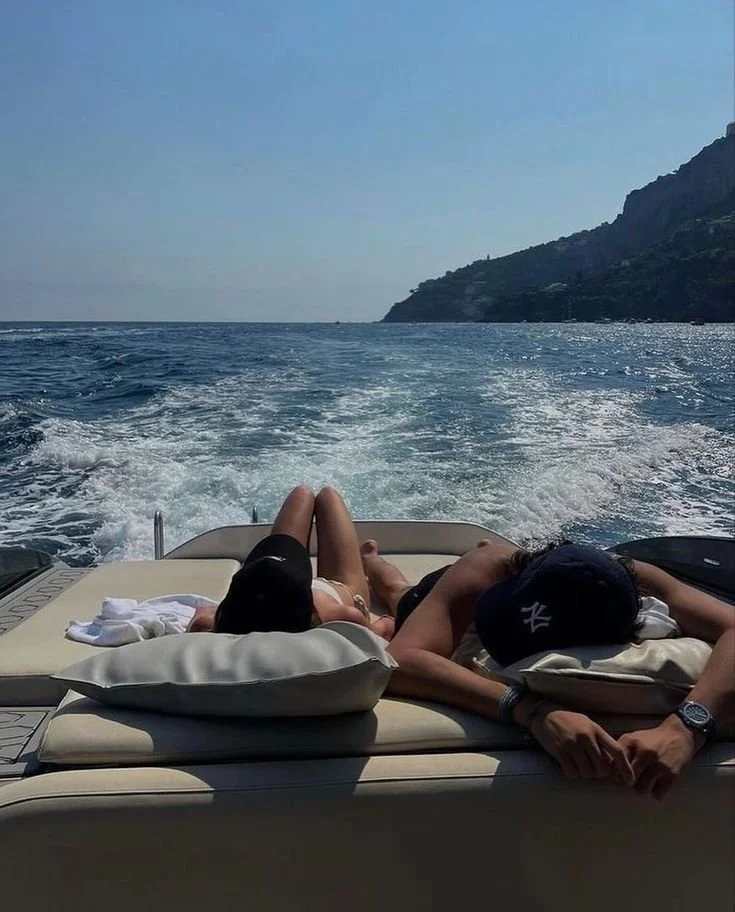
This is why people feel like they “know” someone after a weekend. They don’t know them better, but their brain has processed more emotional input in less time.
A lot of people think Ibiza chemistry is about music or drugs or sex. It’s mostly dopamine. Ibiza is a novelty engine. New locations every few hours, new faces constantly rotating, new outfits every night, new rules every day. Dopamine spikes in unfamiliar environments, and dopamine is also what fuels early attraction and obsession.
So when you meet someone on a boat off Cala Jondal, then dance next to them at Hï, then end up at an after somewhere near Playa d’en Bossa as the sun comes up, your brain links that entire high to the person standing next to you. It feels like destiny. Neurologically, it’s just association.
Ibiza is very good at creating false certainty.
It doesn’t help that not many people on the island is living a real version of their life. You don’t meet people in their normal environment. You meet the Ibiza edit. The version that doesn’t have meetings, deadlines, kids, partners back home, or early alarms. People are better dressed, more relaxed, more open, and far more willing to say yes to things they would never say yes to on a Tuesday night in their own city
Psychologists call this identity suspension. Ibiza encourages it. You’re not an accountant, a founder, or a student here. You’re just someone in linen shorts at Pacha at 5am, talking to a stranger like you’ve known them forever. Two suspended identities will always feel compatible, because nothing real is being tested yet.
Vulnerability also comes faster on Ibiza, partly because everything feels temporary. When you know you’re leaving in a few days, emotional defenses drop. People overshare at sunrise on boats they didn’t book themselves. Trauma comes out somewhere between a cig break at Pacha and a swim at Las Salinas. You learn someone’s childhood story before you learn their last name.
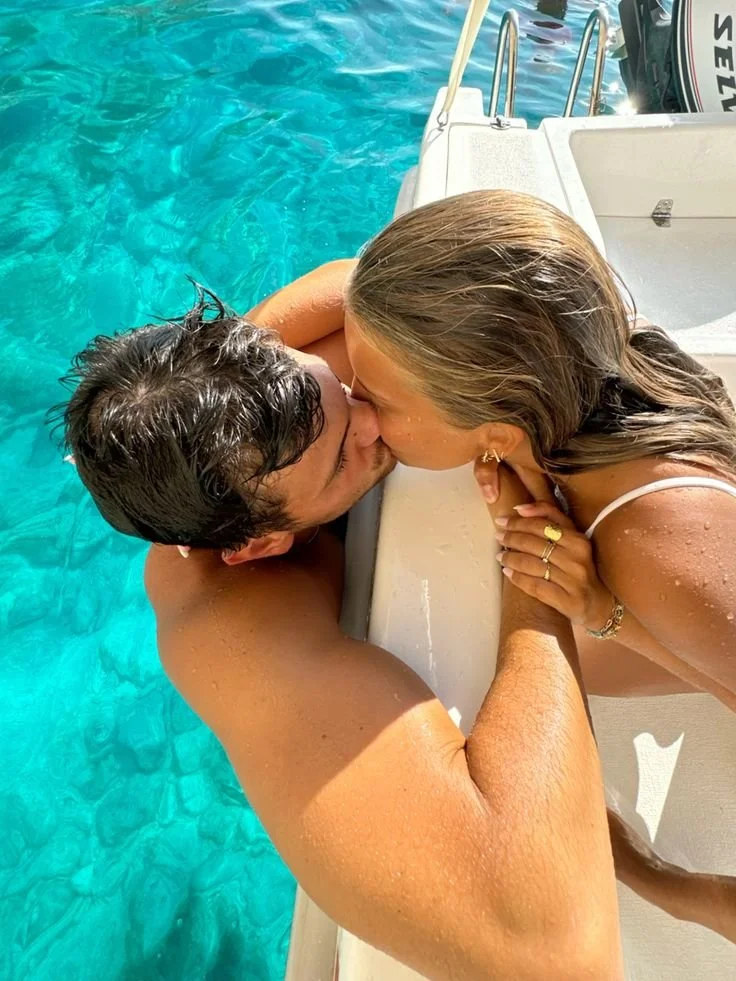
Temporary environments lower perceived emotional risk. It feels safe to open up because the situation feels contained. The problem is that emotional closeness forms even when long-term trust hasn’t had time to exist.
Then there’s the social reinforcement. Ibiza romances never happen quietly. Friends hype it immediately. Someone posts it. Someone films it. Someone says “this is so Ibiza” like that explains anything. Social validation strengthens attachment. When everyone around you treats a connection as meaningful, your brain stops questioning it.
Suddenly it’s not just a fling. It’s an Ibiza story. And Ibiza stories are powerful.
The peak usually hits somewhere between day three and five. Maybe it’s after a day party at Ushuaïa that turns into a night at Hï and ends on a friend’s boat at sunrise. Maybe it’s after booking a last-minute charter to Formentera because “why not.” At that point, people start believing this could exist outside the island.
That’s where it breaks.
Leaving Ibiza is a neurological comedown. Dopamine drops. Sleep returns. Normal life comes back hard. The person is still the same, but the environment that made everything feel effortless is gone. There’s no soundtrack, no constant novelty, no shared chaos holding the connection together. Back home, the chemistry has to survive routine, distance, and reality. Most Ibiza connections weren’t built for that. They were built for intensity, not durability.
This doesn’t mean they were fake. They were real inside the context of the island. But they were situational. Ibiza doesn’t test compatibility. It suspends it. The mistake people make is trying to preserve the feeling instead of understanding it. They chase reunions, force long-distance plans, or come back the next season hoping to recreate the same moment. What they miss is that the thing they fell for wasn’t just the other person.
It was who they were on Ibiza.
The version of themselves that said yes easily. That felt attractive without trying. That lived without friction. The other person became attached to that feeling, even though the feeling belonged to the island. That’s why Ibiza love stories linger. Not because they were meant to last, but because they were intense, specific, and tied to a place that doesn’t exist anywhere else.
And if you’ve ever booked a boat you didn’t plan to book, followed someone you just met into Pacha, or cried at the airport thinking “this was real,” you already know exactly what that means.
Enjoy the story, embrace the memory.
